Welcome to our websites!

7 Tips for Choosing a Profile Bending Machine

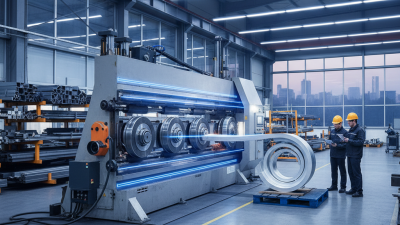
Choosing a Profile Bending Machine is not just a matter of comparing prices or motor power. The right choice depends on the profiles you bend, the materials you use, and the curve each job requires. A small steel channel and a wide aluminum section place very different demands on rollers, frames, and drive systems. Details matter.

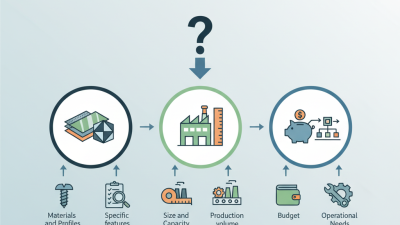
Before buying, consider your usual profile dimensions, minimum bending radius, production volume, and available floor space. Check how quickly operators can adjust the rollers, change tooling, and repeat a setting. If your work changes often, flexibility may matter more than maximum speed. For steady, high-volume production, consistent output and simple setup can save meaningful time.

Specifications help, but they do not tell the whole story. Ask whether the machine can be tested with your actual material and profile. Watch for twisting, surface marks, and springback after the bend. A machine may look capable on paper and still struggle with your most common section. That happens.

This guide presents seven practical tips for evaluating machine capacity, machine type, tooling, controls, accuracy, safety features, and after-sales support. Compare each option against real jobs, not just ideal conditions. Consider maintenance access, operator training, and the availability of replacement parts as well. Some compromises are unavoidable; being clear about them can prevent a costly mismatch. A careful choice should fit today’s production needs while leaving room for the work you realistically expect to take on next.
7 Tips for Choosing a Profile Bending Machine

Define Your Profiles, Materials, and Production Requirements

A profile bending machine should fit the parts you actually make, not just a broad capability list. Draw your common sections and note their dimensions, bend direction, and target radius. Include awkward details, such as a short flange or an asymmetric channel. Tip: Bring a drawing and a sample part. A tight radius on a tall section may need different tooling from a gentle curve on a small tube.

Material affects the choice. Steel, aluminum, and stainless steel respond differently under pressure, and wall thickness matters too. Ask how the machine controls feed and forming force for your materials. Check whether tooling can support the profile without marking its surface or distorting its edges. Small test bends help. They may reveal springback that calculations alone miss, though one test may not represent every batch.

Production needs shape the setup. Estimate daily volume, changeover frequency, operator skill, and available floor space. For frequent profile changes, quick adjustments can save time; for longer runs, repeatable settings may matter more. Tip: Compare a typical shift, not only peak output. Record setup and handling time during a trial. The estimate may be imperfect, but it gives you a better basis for choosing than a headline speed figure.

Choose a Machine Type That Fits Your Bending Tasks

A profile bending machine should match the sections you actually form, not just the thickest material listed in a brochure. Manual machines can suit occasional work with light sections and generous radii. They need more operator effort, and results may vary between bends. For heavier profiles or regular production, a powered hydraulic machine can provide steadier force. If jobs require repeated parts or several bend settings, a CNC-controlled model may reduce setup variation. It also needs suitable programming and operator training.

Check the section shape, dimensions, material, and target radius before choosing. A tube, angle, and channel can react differently under pressure, even at similar sizes. Confirm that the machine’s rolls and tooling support your profile without crushing edges or twisting the section. Small details matter. Ask to test a sample using your actual material, then inspect its radius, surface marks, and springback. A larger machine is not automatically better; it may take more floor space and setup time. I’d be cautious about choosing from capacity figures alone. Those figures rarely describe every profile equally well.

7 Tips for Choosing a Profile Bending Machine: Choose a Machine Type That Fits Your Bending Tasks

Common roller configurations differ by the work they are designed to handle. A section-bending machine is intended for structural profiles, while a plate roll is designed for sheet and plate.

The chart compares typical roll counts, not machine capacity. For profile work, choose a section bender that matches your profile shape, material, required bend radius, and production volume; confirm those limits with the machine specifications.

Match Bending Capacity and Precision to Your Needs

Match the machine to the largest profile, strongest material, and tightest radius in your actual job mix. A capacity rating alone can mislead: it may assume a specific section shape, material strength, and bending method. The AISC Specification for Structural Steel Buildings lists a 50 ksi minimum yield stress for ASTM A992 steel. A higher-strength grade can need more bending force and may spring back differently. Check mill certificates and test representative sections before choosing a machine. Small details matter.

Precision deserves equal attention. Define acceptable radius error, twist, and repeatability before comparing equipment. World Steel Association’s World Steel in Figures 2024 reports 1,892.2 million tonnes of crude steel production in 2023; that scale is a reminder to verify the grade and dimensions of your own incoming stock, not assume every profile behaves alike. Ask suppliers for capacity charts tied to your section geometry and material strength. Run trial bends using the intended tooling, then measure the radius at several points with a template or gauge. Record setup changes. The first pass may not be perfect. It’s easy to overlook springback, especially on thin-walled sections. Choose a machine with enough reserve capacity, but don’t pay for force or precision your work never uses.

7 Tips for Choosing a Profile Bending Machine — Match Bending Capacity and Precision to Your Needs

Tip What to Assess How to Verify Why It Matters
1. Define the profiles you will bend List each profile type, material, cross-section dimensions, wall thickness, and the orientation in which it will be bent. Provide the machine supplier with representative drawings and material specifications, including the profile’s dimensions and grade. Capacity depends on the profile’s geometry and material—not just its outside dimensions. A section’s orientation can substantially change its resistance to bending.
2. Match capacity to material strength Check the machine’s stated capacity for your exact profile and material. Include the material’s yield strength and the required bend radius. Ask for a capacity chart or a documented trial using your material and section. Confirm whether the stated rating assumes a particular material strength or radius. Higher-strength materials and tighter radii generally require greater bending force. A capacity quoted for one material or section may not apply to another.
3. Confirm the minimum bend radius Specify the required inside or centerline radius and clarify how the radius is measured on the finished part. Request a sample bend or a setup recommendation for the smallest required radius, then inspect the profile for flattening, buckling, or unwanted twist. Achievable radius varies with material, section shape, wall thickness, tooling, and bending method. A machine’s maximum capacity does not establish its minimum radius.
4. Choose a suitable machine and roll arrangement Compare three-roll and four-roll configurations, the available pre-bending approach, and the length of straight ends your parts can tolerate. Review the proposed bending sequence for your part, including loading, pre-bending, and removal. Confirm that the roll arrangement can handle the required profile and operation. Roll arrangement affects setup, handling, and the ability to pre-bend near the ends. The best choice depends on part geometry and production workflow.
5. Check tooling and profile support Verify roll or die compatibility with your profile shape, contact surfaces, shaft dimensions, and any required guides or supports. Ask which tooling is included, what additional tooling is needed, and whether the profile can be supported without damaging its surface or distorting its section. Incorrect or inadequate tooling can cause slipping, marking, local deformation, or inconsistent bends, even when the machine has sufficient force.
6. Set precision requirements before selecting controls Define acceptable variation in radius, angle, and part-to-part repeatability, along with the inspection method and production quantity. Run a repeatability trial with multiple parts and measure them using an agreed method. Distinguish control-system repeatability from finished-part accuracy. Springback and material variation affect the final shape. CNC controls can improve process consistency, but they do not remove the need for suitable tooling, setup, and inspection.
7. Evaluate the complete operating setup Consider usable working length, loading space, operator access, power requirements, guarding, and the time needed for setup and changeovers. Check the machine layout against your longest workpiece and production area. Confirm applicable safety provisions and request a demonstration of a typical changeover. A machine must fit the parts and the work process. Access, handling, and setup can affect safe operation and overall productivity as much as rated capacity.

Selection note: Bending capacity and achievable precision depend on the material, profile geometry, tooling, radius, and setup. Confirm critical requirements with a documented test using representative workpieces.

Evaluate Controls, Tooling, Safety, and Build Quality

Tip 1: Try the controls before buying. Change the feed speed and direction, then check whether the display is easy to read.

Tip 2: Ask for a demonstration using material close to your usual stock. Watch for smooth movement, repeatable bends, and settings that are simple to adjust. Small differences matter.

Tip 3: Check the tooling range. Confirm the machine accepts suitable rolls or dies for your material sizes and bend radii.

Tip 4: Inspect how tooling is changed and secured. Loose fittings or awkward adjustments can waste setup time.

Tip 5: Look for practical safety features, such as guards, an accessible emergency stop, and clear operating instructions. Keep hands clear.

Tip 6: Examine the frame, welds, and moving parts. A rigid build can help limit vibration under load, though appearance alone proves little.

Tip 7: Ask about maintenance intervals and replacement-part availability. Check whether routine lubrication points are reachable without dismantling guards. Bring your own sample bend if possible. I would also compare the finished curve against a simple template; it is easy to overlook springback during a quick showroom test.

Compare Total Costs, Service, and Supplier Support

A profile bending machine’s purchase price is only one part of its cost. Compare tooling, installation, operator training, power needs, and floor-space requirements. A machine that handles your common section sizes without repeated setup may save labor each shift. Ask for a written estimate covering delivery and commissioning, not just the equipment. Small omissions add up.

Service can shape the real cost of ownership. Ask how quickly technicians typically respond, which parts are stocked locally, and what warranty exclusions apply. Request a sample maintenance schedule and the expected cost of wear parts, such as rollers or bearings. Ask for dates. A vague promise of “fast support” is hard to plan around when a production line is waiting.

Supplier support should continue after installation. Check whether training includes practical jobs, such as bending a short test section and measuring springback. Clarify who helps troubleshoot setup issues, and whether remote guidance is available. If possible, speak with a customer using similar materials and profiles. A spreadsheet still misses the frustration of a delayed repair; I would leave room for that uncertainty rather than treating every estimate as exact. Before choosing, compare the supplier’s documented service process with your own production schedule.

Send your message to us:

WhatsApp Online Chat !