What is a Profile Bending Machine and How Does It Work?
A Profile Bending Machine is a vital piece of equipment in the metalworking industry. It is designed to bend various profiles, such as angles, channels, and beams. The machine brings precision and efficiency to the bending process, ensuring that each product meets stringent quality standards.
Understanding how a Profile Bending Machine functions is essential for manufacturers. It typically uses rollers to shape metal into desired curves or angles. The ability to create intricate designs and shapes enhances product versatility. Many industries, including construction and automotive, rely heavily on these machines.
However, despite its capabilities, the Profile Bending Machine also presents challenges. Operators must be trained to handle the machine skillfully. Incorrect settings can lead to defects in the final product. Continuous learning and improvement in operating techniques are crucial for optimal performance.
What is a Profile Bending Machine?
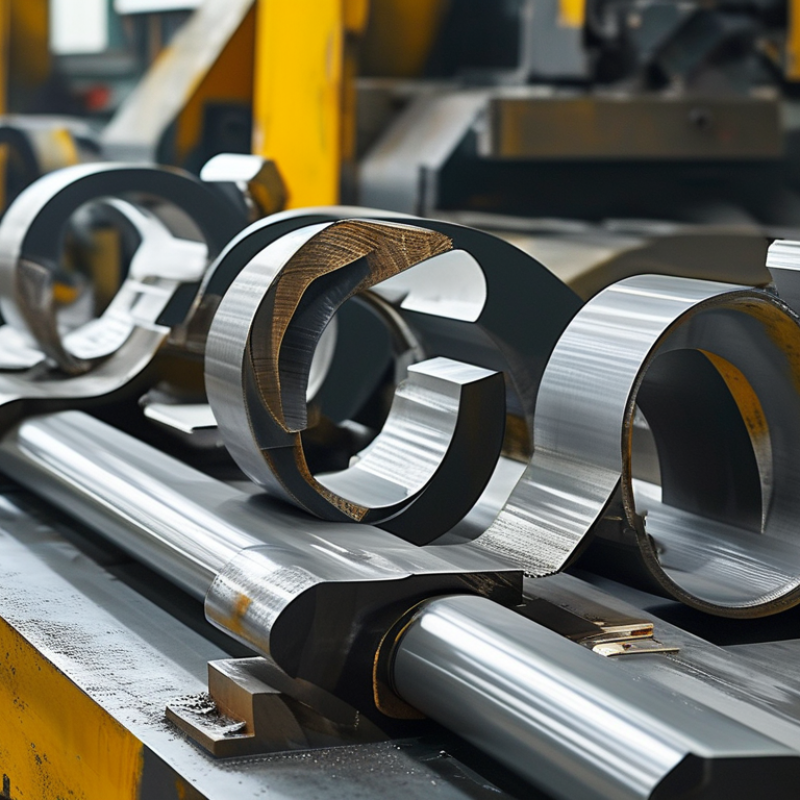
A profile bending machine is essential in metalworking. It is designed to bend various profile shapes like angles, channels, and beams. These machines ensure accuracy, helping produce components for construction and manufacturing. The machine uses rollers or hydraulic systems to apply force and create bends in the material.
Operators should pay attention to the machine settings. Incorrect adjustments can lead to material wastage. Always check the specifications of the profiles being bent. The thickness and type of metal affect the bending process significantly.
Tips for better results: Keep the machine well-maintained. Regular checks can prevent unexpected breakdowns. Also, ensure that safety protocols are followed at all times. Bending can be dangerous if not managed correctly. Training operators properly is crucial, as their skills greatly influence the quality of the output.
Key Components of a Profile Bending Machine
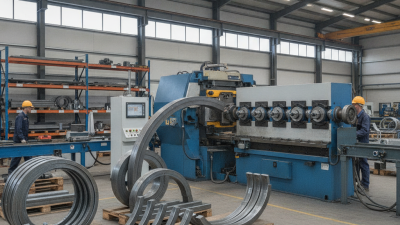
Profile bending machines are essential in metal fabrication, particularly for creating complex shapes. Understanding the key components of these machines is crucial for harnessing their full potential. A typical profile bending machine consists of three primary components: rollers, a hydraulic system, and a control panel.
The rollers are responsible for shaping materials like steel and aluminum. They can be configured in different arrangements to process various profiles, from simple arcs to intricate curves. The hydraulic system provides the necessary force to bend materials accurately and consistently. According to industry reports, machines with superior hydraulic capabilities ensure up to 20% more efficiency compared to traditional systems. The control panel allows operators to set parameters, ensuring precision and reducing operational errors.
Despite advancements in technology, some machines still show limitations in adjusting for different material thicknesses. This can lead to inconsistencies in the bending process, highlighting the need for continuous operator training. Furthermore, regular maintenance is often overlooked, impacting the machine's lifespan and reliability. Continuous evaluation of these components can foster innovation and improve performance in the long run.
Working Mechanism of Profile Bending Machines
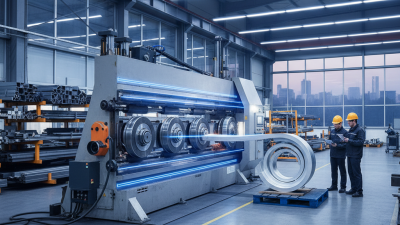
Profile bending machines play a crucial role in various industries, enabling precise bending of metal profiles. The working mechanism of these machines combines hydraulic power and advanced technology. They generally consist of three rollers positioned in a triangular formation. Two rollers are fixed while the third rolls in between the others, performing the bending operation.
The process begins with the operator placing the metal profile onto the machine.
The rollers engage the profile, applying controlled pressure. This pressure curves the metal into the desired shape. Operators can adjust the roller positions to achieve different radii. Expertise in machine settings is vital to avoid defects in the finished product.
However, errors can happen. Incorrect settings may lead to uneven bends or material stress. Operators must regularly inspect and maintain the machine for optimal performance. Understanding these mechanisms is essential for maximizing efficiency and ensuring quality output. Each bend should be precise, reflecting the importance of careful operation and oversight in profile bending tasks.
Applications of Profile Bending Machines in Industry
Profile bending machines play a crucial role in various industries, from construction to automotive. Their versatility allows for the shaping of different materials, making them essential for producing curved components. According to data from the International Fabricators Association, over 30% of metal fabricators are investing in such machines to enhance productivity and reduce waste.
In the construction sector, these machines are frequently used to create beams, rails, and trusses. The ability to bend steel profiles is vital for architectural innovation. Reports suggest that custom bending reduces material consumption by approximately 15%. This decrease not only lowers costs but also minimizes environmental impact. Ensuring precision in these bends is critical, yet many fabricators face challenges with consistency.
Automotive manufacturers utilize profile bending for frames and chassis components. The demand for lighter vehicles drives the need for advanced bending technologies. However, inconsistencies in products can lead to safety concerns. Quality control measures must be rigorous. A study from the Society of Automotive Engineers indicates that 25% of recalls stem from manufacturing defects in bent components. Thus, while profile bending machines are invaluable, ongoing training and technology upgrades are necessary for optimal results.
Applications of Profile Bending Machines in Various Industries
Advantages of Using Profile Bending Machines
Profile bending machines offer numerous advantages for manufacturers and engineers. They transform flat sections of metal into curved shapes, providing versatility in design. This capability allows industries to create custom curves for various architectural and structural needs. The precision bending reduces waste, making processes more efficient.
Using a profile bending machine can significantly enhance production speed. The technology streamlines operations, saving valuable time. Users experience reduced labor costs as machines require less manual intervention. Additionally, the machines cater to different materials, making them adaptable for various projects.
However, it’s essential to consider some challenges. Proper training is crucial to operate these machines effectively. Misuse can lead to costly mistakes. Regular maintenance also plays a key role in ensuring longevity and reliability. Investing in training and upkeep is vital to maximize the machine's benefits in any production environment.
What is a Profile Bending Machine and How Does It Work? - Advantages of Using Profile Bending Machines
| Dimension |
Value |
| Machine Type |
Roll Bending |
| Bending Capacity |
Up to 100 mm thickness |
| Materials Processed |
Steel, Aluminum, Brass |
| Typical Applications |
Structural Support, Handrails, Automotive Parts |
| Power Source |
Electric or Hydraulic |
| Advantages |
Increased Precision, Efficiency, Versatility |
| Maintenance Frequency |
Every 6 months |
| Cost Range |
$50,000 - $150,000 |