Welcome to our websites!

Top Vertical Lathe Manufacturers and Suppliers Worldwide

Vertical Lathe manufacturers serve industries where scale, rigidity, and repeatable accuracy matter. Their machines often shape turbine casings, wheel hubs, gear blanks, and large bearing rings. A vertical configuration supports heavy workpieces on a stable rotary table. Gravity helps seating. That detail can influence setup consistency.

Dr. Yusuf Altintas, a widely recognized machining researcher, has stated, “Machining is a dynamic process.” His observation is highly relevant to Vertical Lathe selection. Cutting forces change with tool geometry, material hardness, spindle speed, and workpiece balance. A strong machine must control vibration, heat, chip flow, and dimensional drift. Buyers should examine spindle torque, table diameter, maximum turning height, axis travel, control systems, and service support. A polished brochure is not enough.

This guide reviews leading Vertical Lathe manufacturers and suppliers worldwide. It considers engineering capability, production experience, machine customization, automation, reliability, and after-sales responsiveness. Some companies excel in massive single-column machines. Others focus on compact CNC platforms, twin-column designs, or integrated loading systems. The best supplier depends on the workload, not reputation alone.

No ranking is perfect. Public specifications can omit practical limitations. Installation space, foundation requirements, operator training, and spare-parts access may change the final decision. A machine that performs beautifully in a showroom may struggle under continuous production. That possibility deserves attention. Readers should compare test cuts, maintenance records, warranty terms, and references from similar facilities. Careful evaluation turns a global supplier list into a realistic purchasing framework.
Top Vertical Lathe Manufacturers and Suppliers Worldwide

What a Vertical Lathe Is and How It Works

Top Vertical Lathe Manufacturers and Suppliers Worldwide

What a Vertical Lathe Is and How It Works

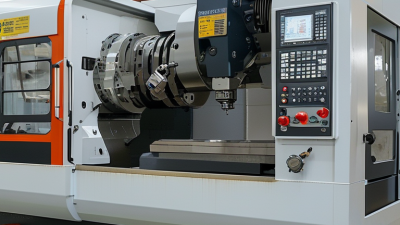
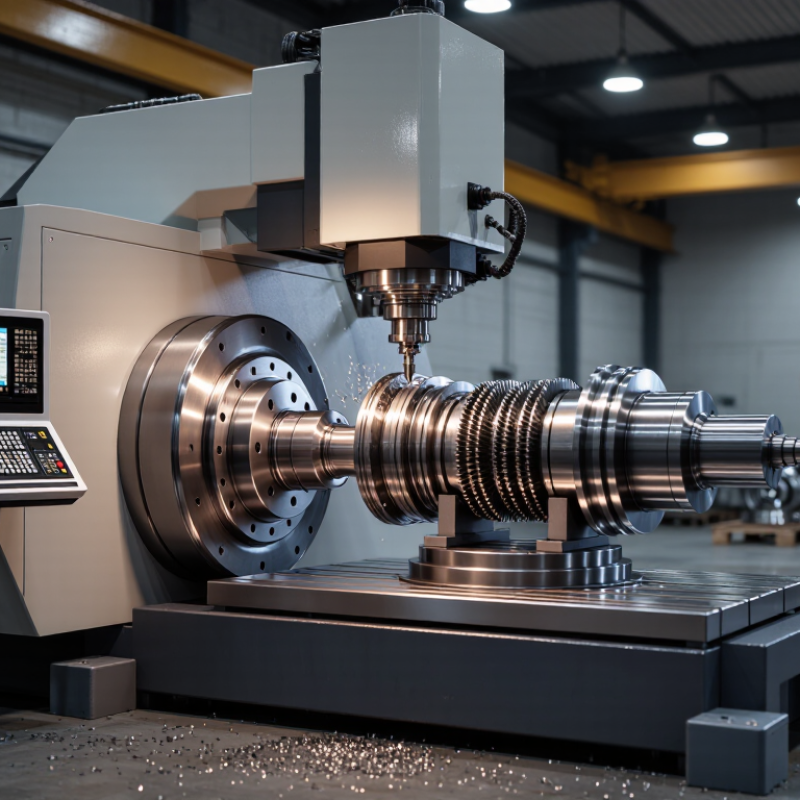
A vertical lathe, also called a vertical turning machine, holds the workpiece on a horizontal table. Its spindle rotates vertically, while cutting tools approach from the side or above. This layout suits large, heavy parts with wide diameters. Gravity helps keep the workpiece seated during machining.

The table, chuck, spindle, turret, and control system work together. The chuck clamps the part and controls its rotation. A tool moves across the surface to remove material in measured passes. Operators can perform facing, turning, boring, grooving, and threading operations. CNC models follow programmed tool paths, while manual machines depend more on operator judgment. Small setup errors can still create noticeable taper or uneven surfaces.

Tips: Check clamping pressure before cutting. Confirm tool clearance and spindle direction. Measure the first pass carefully. Keep chips away from moving components. A slower feed often improves surface quality, but not always. Material hardness, tool geometry, and coolant flow change the result. Experienced machinists still review drawings twice, because a familiar setup can encourage careless assumptions. Regular inspection of bearings, lubrication points, and alignment supports safer, more repeatable work.

Top Vertical Lathe Manufacturers and Suppliers Worldwide — What a Vertical Lathe Is and How It Works

A vertical lathe, also called a vertical turning lathe, holds the workpiece on a horizontal rotary table while the cutting tools move vertically and radially. This layout is well suited to heavy, large-diameter components because gravity helps seat the workpiece on the table.

The chart shows representative capability classes commonly found in published vertical-lathe specifications. Actual values vary by machine configuration, tooling, workpiece material, and supplier.

Key Features for Comparing Vertical Lathe Manufacturers

Comparing vertical lathe manufacturers requires more than checking table diameter and advertised spindle speed. A serious evaluation starts with the intended workpiece: its diameter, weight, material, and required tolerance. Ask for cutting-test data using a similar alloy. A machine that handles a light steel ring may struggle with a heavy cast component.

Mechanical stability deserves close attention. Inspect the table bearing design, ram rigidity, guideway protection, and vibration behavior under load. Thermal control also matters. A small temperature change can shift boring accuracy during a long cycle. Review positioning accuracy, repeatability, spindle load monitoring, and the control system’s ability to store reliable machining programs.

Service quality often separates a dependable supplier from a merely capable builder. Check installation procedures, operator training, response times, spare-parts availability, and remote diagnostic support. Request references from facilities with comparable production demands. Visit a demonstration site when possible. Watch the machine during tool changes, low-speed cutting, and emergency stops.

Published specifications can look impressive. They can also hide practical limitations. One successful test does not prove consistent performance across every shift. Ask how accuracy is verified, which standards guide inspection, and whether reports are supplied with the machine. Compare delivered cost, maintenance access, energy use, and expected downtime, not just the purchase price. I have found that an honest supplier will discuss weaknesses openly, although that level of transparency is not always easy to measure.

Leading Vertical Lathe Manufacturers and Suppliers Worldwide

Leading vertical lathe manufacturers and suppliers worldwide are responding to heavier workpieces, tighter tolerances, and shorter production cycles. Grand View Research valued the global CNC machine tools market at approximately USD 83.6 billion in 2023. Its forecast also indicates strong growth through 2030. This expansion supports demand for vertical lathes in energy, transport, construction equipment, and precision component production.

Experienced buyers inspect more than spindle diameter and table capacity. They verify thermal stability, axis positioning accuracy, chip evacuation, and service response times. ISO 230-2 testing can help compare positioning performance across suppliers. In plant evaluations, a rigid machine often reveals its value during interrupted cuts. Vibration appears quickly. So does poor fixture design. A supplier should provide test-cut records, calibration documents, installation guidance, and operator training. A glossy brochure is not proof.

Automation is also changing supplier expectations. The International Federation of Robotics reported 541,302 industrial robots installed worldwide in 2023, representing a 10% annual increase. Leading vertical lathe suppliers now commonly support robotic loading, tool monitoring, remote diagnostics, and production data collection. However, integration claims require scrutiny. Interfaces may differ between factories. Maintenance teams may need additional training. The best suppliers explain these limitations clearly, recommend realistic configurations, and document measurable results. Even then, no selection is perfect. A careful trial part remains more reliable than a confident sales promise.

Industry Applications and Machine Selection Criteria

Top Vertical Lathe Manufacturers and Suppliers Worldwide

Vertical lathes serve industries that machine large, heavy, or ring-shaped components. Power generation, steel production, shipbuilding, aerospace, and construction equipment rely on this format. The World Steel Association reported 1.89 billion tonnes of crude steel production in 2023. That scale sustains demand for rigid turning systems, especially for flanges, bearing housings, and turbine parts.

Application should guide machine selection. A steel mill may need high torque, impact resistance, and a wide workholding range. An aerospace supplier may prioritize thermal stability, probing accuracy, and controlled chip removal.

The International Federation of Robotics recorded 541,302 industrial robot installations worldwide in 2023. Therefore, robot-ready interfaces, automatic tool changes, and reliable data communication deserve serious attention. Not every factory needs full automation.

Check swing diameter, table load, spindle speed, motor torque, and cross-rail travel. These figures must match the actual component envelope, not an idealized drawing. A machine with excessive capacity can waste floor space and energy. A small table creates expensive compromises later. Experienced buyers should also inspect service response, spare-parts availability, calibration procedures, and operator training. The supplier’s factory test matters. Ask for cutting demonstrations using comparable material and tooling. One overlooked issue is chip evacuation. It can damage uptime quickly. Selection is rarely perfect. Reassess the decision after reviewing real cycle-time data, maintenance records, and five-year operating costs.

Global Purchasing, Service, and Supplier Evaluation Factors

Buying a vertical lathe for global production requires more than comparing table diameter and spindle speed. In practice, buyers should match machine capacity with workpiece weight, swing diameter, material, and cutting cycles. A machine that looks powerful on paper may struggle with heat, vibration, or floor limitations.

Request a documented factory acceptance test before shipment. It should show spindle runout, positioning accuracy, surface finish, and test-cut results. Ask for drawings, foundation requirements, electrical details, and packing dimensions. These details prevent costly surprises at the port or installation site. Supplier evaluation should include audited production records, trained service staff, and verifiable customer references. A short video call is useful, but it cannot replace an on-site inspection.

Service coverage often decides the real purchase value. Check spare-parts response times, remote diagnostic methods, commissioning support, and technician availability across time zones. Clarify warranty boundaries in plain language. Some suppliers provide excellent machines but weak documentation. Others promise rapid support without local capacity. That gap deserves careful questioning. Compare total ownership cost, including freight, installation, tooling, training, maintenance, and downtime. Consider a pilot order when production risk is high. Even experienced buyers can overlook thermal drift after long cycles or delays caused by incomplete manuals. These are not minor issues. Record every assumption in the purchase contract, and review it with engineering, maintenance, and logistics teams before approval.

Top Vertical Lathe Manufacturers and Suppliers Worldwide - Global Purchasing, Service, and Supplier Evaluation Factors

Supplier Region Typical Supplier Profile Vertical Lathe Configuration Typical Swing Range Typical Table Diameter Typical Spindle Power Common Accuracy Reference Export and Purchasing Strengths After-Sales Service Indicators Typical Lead Time Recommended Evaluation Weight
East Asia High-volume CNC machine-tool manufacturers and export-oriented factories Two-column CNC vertical turning lathe; optional live tooling and automatic tool changer 800–3,000 mm 630–2,500 mm 22–110 kW Positioning accuracy commonly specified around 0.02–0.05 mm, depending on machine size and test method Competitive pricing, broad customization, established container-export capability, and extensive model ranges Remote diagnostics, commissioning support, spare-parts lists, bilingual manuals, and regional service partners 3–8 months for standard models; longer for engineered systems Price 20%; technical fit 20%; quality evidence 20%; service 15%; delivery 15%; compliance 10%
Central Europe Precision-focused builders serving automotive, energy, aerospace, and heavy-industry applications High-rigidity CNC vertical turning center with hydrostatic or roller-guide options 1,000–4,000 mm 800–3,500 mm 30–200 kW Machine acceptance often documented under ISO 230 test principles; achievable accuracy depends on thermal control and workpiece size Strong engineering documentation, process integration, lifecycle support, and demanding acceptance procedures On-site installation, preventive-maintenance contracts, application engineering, training, and long-term parts support 6–14 months, depending on machine size and automation Technical performance 25%; quality and acceptance 20%; service 20%; total cost 15%; delivery 10%; compliance 10%
Southern Europe Specialized manufacturers of medium and large turning equipment with project-based customization Single-column or double-column CNC vertical lathe; optional milling, grinding, and rotary-table functions 1,000–5,000 mm 800–4,500 mm 30–250 kW Typical quotations reference ISO 230 or equivalent geometric and positioning tests Flexible engineering, strong heavy-machining capability, and experience with turnkey production cells Application trials, factory acceptance testing, installation supervision, operator training, and retrofit capability 6–16 months for custom or large-diameter machines Application suitability 25%; engineering capability 20%; quality 20%; service 15%; cost 10%; delivery 10%
North America Industrial machine-tool suppliers, integrators, and distributors supporting domestic heavy manufacturing CNC vertical turning center with automation, probing, chip management, and production monitoring 800–3,500 mm 630–3,000 mm 30–150 kW Acceptance commonly includes laser calibration, ball-bar checks, and documented geometric inspection Strong local integration, financing options, application testing, and shorter domestic response times Local technicians, stocked critical parts, hotline support, training, and preventive-maintenance programs 4–12 months for standard configurations; project lead times vary Service availability 25%; technical fit 20%; uptime evidence 20%; total cost 15%; delivery 10%; compliance 10%
Japan and South Korea Automation-oriented manufacturers emphasizing repeatability, process stability, and production efficiency High-speed CNC vertical turning center with robotic loading, tool monitoring, and factory networking 500–2,500 mm 400–2,000 mm 15–100 kW Repeatability is often reported in the low-micron range on smaller machines under controlled conditions Strong automation, reliable controls, stable process capability, and detailed production data Application engineering, remote monitoring, operator training, preventive maintenance, and high-quality documentation 5–12 months, depending on automation and export requirements Repeatability 25%; automation 20%; reliability 20%; service 15%; cost 10%; delivery 10%
India Cost-conscious manufacturers and engineering firms supplying general-purpose and customized turning equipment Manual, semi-CNC, and CNC vertical lathes for general engineering, shafts, flanges, and heavy components 800–3,000 mm 630–2,500 mm 15–100 kW Accuracy claims should be verified through machine acceptance testing and independent inspection Competitive project cost, engineering flexibility, local fabrication, and support for retrofit or rebuild work Installation supervision, training, service contracts, spare-parts planning, and remote technical support 4–10 months for standard machines; custom builds may require additional time Value 25%; technical verification 20%; service 20%; delivery 15%; quality 10%; compliance 10%
Turkey and Eastern Europe Regional manufacturers and integrators serving metalworking, energy, defense, and general engineering markets Heavy-duty CNC vertical lathe with modular guarding, hydraulic chucking, and optional milling heads 1,000–4,000 mm 800–3,500 mm 22–160 kW Geometric accuracy and positioning performance should be confirmed using documented acceptance protocols Geographic proximity to Europe, adaptable configurations, and moderate transportation costs Regional field service, commissioning, training, mechanical support, and replacement-part coordination 5–12 months, depending on imported components and machine complexity Technical fit 20%; value 20%; delivery 20%; service 15%; quality 15%; compliance 10%
Southeast Asia Distributors, system integrators, and selected local manufacturers supporting regional production facilities Compact and medium-size CNC vertical turning center with standard automation packages 500–2,000 mm 400–1,600 mm 15–75 kW Verification should include sample cutting, dimensional inspection, and repeatability testing at the buyer’s required conditions Regional logistics, local-language support, competitive installation cost, and access to imported machine platforms Local distributors, operator training, commissioning, consumables support, and escalation to the original builder 3–9 months for stocked or standard units; imported systems may take longer Local support 25%; price 20%; availability 20%; technical fit 15%; quality 10%; compliance 10%
Purchasing note: The specifications above are representative market ranges rather than quotations from individual companies. Final selection should be based on a verified technical proposal, factory acceptance test, dimensional inspection, total landed cost, warranty terms, spare-parts availability, installation capability, and documented compliance with applicable machine-tool safety and accuracy standards.

Send your message to us:

WhatsApp Online Chat !