10 Essential Tips for Using a Hydraulic Press Brake Effectively
In the world of metal fabrication, the Hydraulic Press Brake is a critical tool for precision bending. Experts like John Smith, a leading engineer in the field, emphasize its importance: “A Hydraulic Press Brake can significantly enhance productivity when used correctly.”
Mastering this equipment involves understanding its capabilities and limitations. For instance, an operator must know how to set the appropriate pressure to avoid material damage. Miscalculations can lead to waste and frustration. By focusing on the machine's specifics, operators can achieve accurate bends consistently.
Additionally, safety is paramount when operating a Hydraulic Press Brake. Wearing protective gear is necessary to mitigate risks. Regular maintenance is often overlooked but essential for prolonging the machine's life. Understanding these aspects is crucial for effective use.
Understanding the Basics of Hydraulic Press Brakes
Hydraulic press brakes are essential in metal forming. Understanding how they work can improve efficiency and safety. These machines use hydraulic force to bend metal sheets into desired shapes. Operators must grasp the mechanics behind this process to ensure optimal outcomes.
Data from industry reports reveal that up to 30% of accidents in the manufacturing sector involve misoperation of equipment. This highlights the need for proper training and awareness. Operators should be familiar with the hydraulic systems, including pressure limits and tool selection. These details can significantly influence the bending accuracy.
Moreover, misalignment during the bending process often leads to defects. Industry surveys indicate that 25% of fabricated parts fail quality checks due to improper bends. Adjustments to the alignment must be made carefully to avoid waste and rework. Simple checks can save time and materials. Regular maintenance is also crucial. Neglected equipment may lead to inconsistent results, causing frustration. Understanding these basics lays the groundwork for effective hydraulic press brake usage.
Safety Precautions When Operating a Hydraulic Press Brake
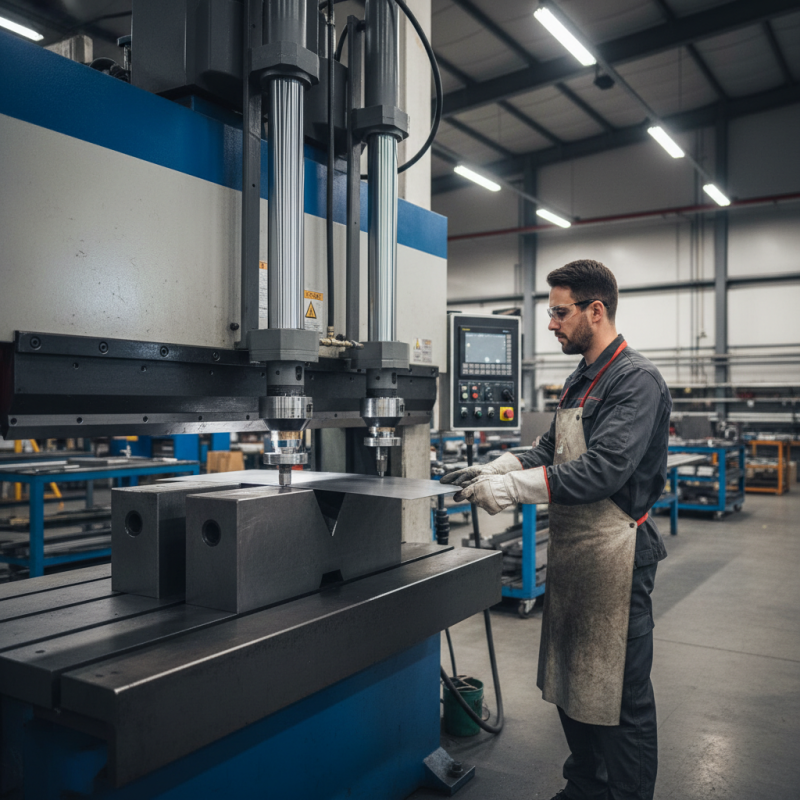
Operating a hydraulic press brake requires strict adherence to safety precautions. Always wear appropriate personal protective equipment, including safety glasses and gloves. Loose clothing can get caught in machinery, leading to serious injuries. Properly securing long hair is also essential. Keep your workspace organized. Clutter can result in accidents, especially when handling heavy materials.
It's crucial to understand the machine's controls before operation. Familiarize yourself with the emergency stop functions. Operators should also be aware of proper load placement on the press brake. Avoid exceeding the recommended weight limits. This ensures the machine operates smoothly and reduces the risk of mechanical failure.
Take time to inspect the machine regularly. Look for any signs of wear or damage. Unmaintained equipment can lead to unsafe conditions. Clear communication with coworkers is vital during operation. Use signals or establish a system to avoid misunderstandings. Emergencies can arise quickly, and preparedness is key to safety.
Choosing the Right Tools and Materials for Your Project
Choosing the right tools and materials for your hydraulic press brake project is crucial. Quality materials can make all the difference. Consider the type of metal you are working with. Aluminum, steel, and brass require different handling. Always check their thickness, as this influences the pressure needed.
Selecting the right dies is also essential. They come in various shapes and sizes. Ensure they match your project's specifications. Improper dies can lead to uneven bends. You may also want to experiment with scrap material first. This helps you understand how the metals respond. It can save you from costly mistakes.
Don't overlook safety equipment. Even with the best tools, accidents can happen. Gloves, goggles, and other protective gear are vital. Remember to double-check your work area. A cluttered space can lead to distractions. Always keep your tools organized. Reflect on your process after each project. Consider what worked well and what didn’t. Adjust your approach next time. Continuous improvement makes for better results.
10 Essential Tips for Using a Hydraulic Press Brake Effectively
| Tip Number |
Tip Title |
Description |
Tools Required |
| 1 |
Understand the Machine |
Familiarize yourself with the features and functions of the hydraulic press brake to maximize its use. |
User Manual |
| 2 |
Choose the Right Material |
Select materials that are compatible with the bending requirements to avoid damage. |
Material Samples |
| 3 |
Calibrate the Machine |
Regular calibration ensures accurate bending angles and consistent results. |
Calibration Tools |
| 4 |
Use Proper Safety Gear |
Always wear safety goggles, gloves, and other PPE to protect yourself. |
Safety Equipment |
| 5 |
Plan Your Bends |
Mapping out the bending process in advance can optimize workflow and efficiency. |
Blueprints |
| 6 |
Adjust the Back Gauge |
Setting the back gauge correctly is vital for consistent lengths of material. |
Measuring Tools |
| 7 |
Test Before Production |
Run a test bend with scrap material to confirm settings are correct. |
Scrap Material |
| 8 |
Monitor Pressure Levels |
Keep an eye on hydraulic pressure to prevent over-stressing the machine. |
Pressure Gauge |
| 9 |
Maintain the Equipment |
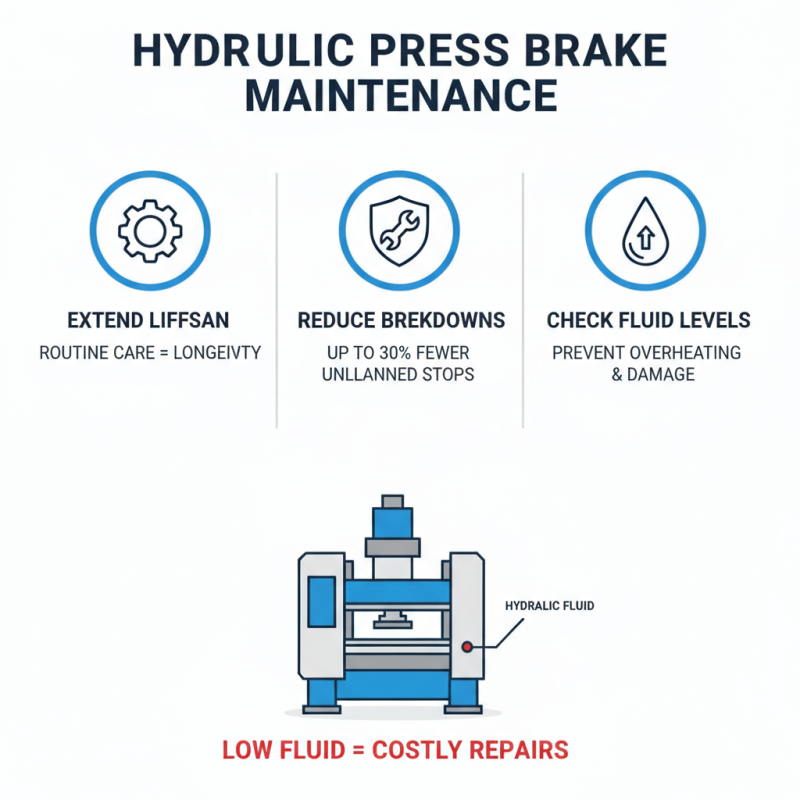
Regular maintenance and inspections will prolong the life of the press brake. |
Maintenance Kit |
| 10 |
Train Operators |
Ensure all operators are properly trained on machine use and safety protocols. |
Training Materials |
Setting Up and Calibrating Your Hydraulic Press Brake
Setting up and calibrating your hydraulic press brake is crucial for optimal performance. Accurate setup helps achieve precise bends, ensuring quality in metal fabrication. Research indicates that improper setup can lead to errors exceeding 10% in part accuracy. This margin can significantly impact production efficiency.
Begin by verifying that the machine is level. An unlevel press brake can cause inconsistent bending results. Use a level gauge to check both the machine bed and the ram. Make fine adjustments using leveling feet. This step seems minor but is essential for overall precision.
Next, calibration is key. Regularly check the machine’s angle and depth settings. A report by the Fabricators & Manufacturers Association highlighted that 26% of issues stem from faulty calibration. Small errors, less than a few degrees, can mislead operators. Adjust the back gauge to ensure the right material length as well. Remember, these calibrations require some trial and error. Each adjustment should be logged and reviewed to identify areas for improvement. Ensuring an accurate setup and calibration process enhances both quality and efficiency in your operations.