How to Choose the Best Milling Machine for Your Needs?
When considering the best milling machine for your needs, it's essential to make an informed decision. John Smith, an expert in the milling machine industry, emphasizes, "Choosing the right milling machine can greatly enhance your production efficiency." Selecting a milling machine is not just about brand or price; it's about understanding your specific requirements.
There are various types of milling machines tailored for different applications. For instance, a vertical milling machine is excellent for detailed work, while a horizontal milling machine is best for heavy-duty tasks. A good milling machine should match your production goals and space limitations. However, potential buyers often overlook the necessary research before making a purchase.
We frequently face challenges in understanding the capabilities of different mills. It can be frustrating to navigate through numerous options without clear guidance. Taking the time to evaluate features and performance will lead to better long-term investments. Ultimately, the goal is to find a milling machine that fits seamlessly into your workflow, enhancing both efficiency and output quality.
Understanding the Different Types of Milling Machines Available
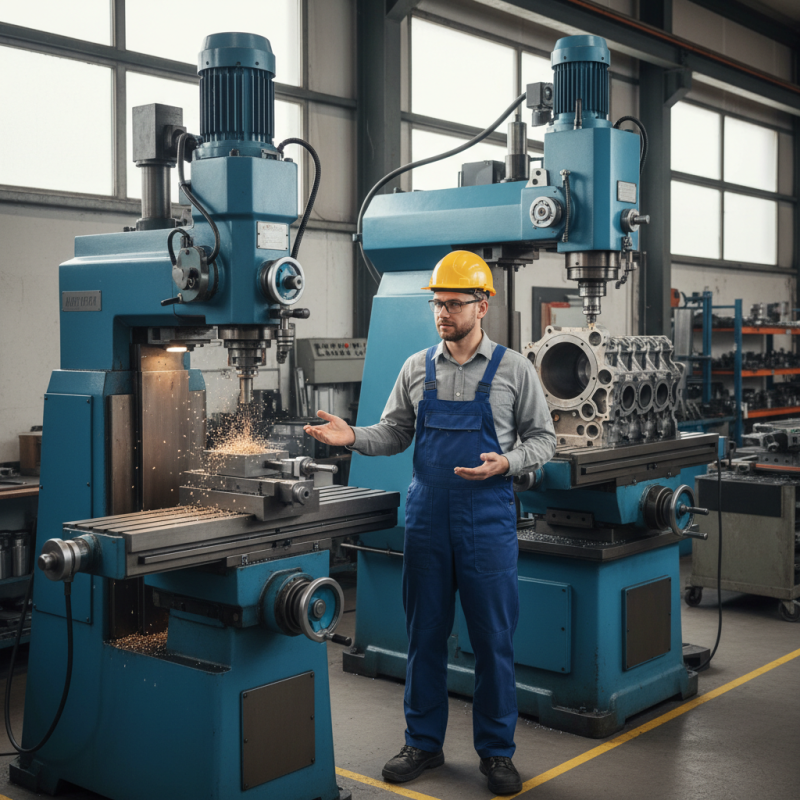
When choosing a milling machine, understanding the available types is crucial. There are several milling machines designed for different purposes. Vertical and horizontal mills are the most common types. Vertical mills feature a spindle that moves vertically, allowing for precision work. They're ideal for small projects and detailed tasks. In contrast, horizontal mills are more robust and can handle larger workpieces. They have a horizontal orientation, providing stability for heavy-duty operations.
CNC milling machines represent another category. These machines use computer programming for automated operations. They are perfect for high-volume production and complex designs. Another option is benchtop milling machines, which are compact and suitable for home workshops. These machines require less space but can still deliver decent performance. However, their capabilities may be limited compared to larger models.
It's important to consider your specific needs. What materials will you be working with? What level of precision do you require? You might find that a machine that looks perfect on paper may not meet your expectations in practice. It's essential to test and reflect on your requirements. Each type has advantages and drawbacks, so choose wisely.
Comparison of Different Types of Milling Machines
Key Factors to Consider When Selecting a Milling Machine
When selecting a milling machine, several key factors should be considered. Your needs may vary based on the materials you work with and the specific projects you undertake. According to a recent industry report, 74% of professionals emphasize the importance of machine precision. A milling machine that provides accurate and consistent results is fundamental to successful machining.
Another important factor is the machine's versatility. A study from the Manufacturing Institute reveals that 65% of manufacturers prefer machines that can handle various tasks. This adaptability can save both time and cost, as one machine can perform multiple functions. However, complexity can lead to a steeper learning curve. Be prepared to invest time in understanding its features.
Tips: When examining potential machines, consider the types of materials you'll predominantly use. Some machines perform better with metals, while others excel with plastics or wood. If you're unsure about your needs, seek expert recommendations or user reviews. This will help you make an informed decision based on actual performance.
Pay attention to the machine's maintenance requirements. Regular upkeep is essential for longevity. A lack of maintenance can impact performance over time. Ensure you have a clear understanding of maintenance costs and schedules before making your choice. Balancing cost, functionality, and maintenance will guide you toward the right milling machine for your needs.
Assessing Your Budget and Cost Considerations for Milling Machines
When considering a milling machine, budget is a crucial factor. Understanding your financial limits can help you select the right model that meets your needs without overspending. Reports indicate that entry-level milling machines range from $2,000 to $5,000, while advanced models can exceed $10,000. An analysis by the Association of Manufacturing Technology (AMT) highlights that 45% of small businesses report budget constraints as a significant hurdle when purchasing machinery.
Tips: Explore financing options. Leasing equipment can ease immediate cash flow concerns and help you manage overall costs.
Another factor to consider is the maintenance costs associated with the machine. Regular maintenance ensures longevity but can strain your budget. A study by the Manufacturing Institute shows that maintenance costs can account for up to 20% of operational expenses. Be wary of machines that seem initially affordable but might require frequent repairs or expensive parts.
Tips: Research parts availability. Machines with readily available parts are often more cost-effective in the long run.
Ultimately, weighing the total cost of ownership against your budget can help you make an informed decision. Don’t rush the process; carefully assess your options to avoid future financial strain.
How to Choose the Best Milling Machine for Your Needs?
| Feature |
Description |
Estimated Cost (USD) |
| Type of Milling Machine |
Vertical, Horizontal, or CNC milling machines |
$1,000 - $50,000 |
| Power Requirement |
Voltage and amperage needed for operation |
Included in machine cost |
| Size of Workpiece |
Maximum size of materials the machine can handle |
Depends on machine type |
| Precision |
Level of accuracy required for your projects |
$500 - $5,000 |
| Maintenance Cost |
Estimated costs for regular upkeep and repairs |
$200 - $2,000 annually |
| Training |
Costs for training users on the milling machine |
$100 - $1,000 |
| Additional Accessories |
Optional tools and attachments for enhanced functionality |
$50 - $5,000 |
Identifying Your Specific Milling Needs and Project Requirements
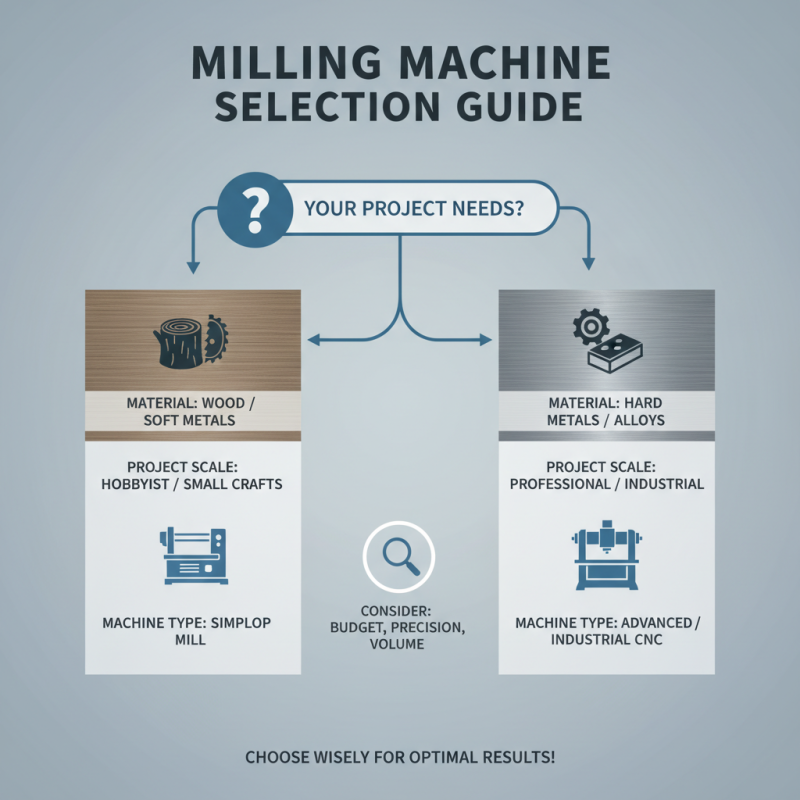
When selecting a milling machine, understanding your specific needs is crucial. Consider the types of materials you will be working with. Different machines excel at different tasks. For wood, a simpler machine may suffice. For metals, a more advanced model is necessary. Assess the scale of your projects: are you a hobbyist or a professional? Larger, industrial machines may be overkill for small craft projects.
Tips: Define your projects clearly. Are they intricate designs or basic shapes? The complexity of your work impacts the machine's specifications. Pay attention to the machine’s spindle speed. Higher speeds can enable finer details.
Consider the available space too. A milling machine needs a dedicated area. Ensure you have enough space for operation and maintenance. Noise level can be another factor. Some machines can be quite loud, which might not be suitable for all environments. Reflect on your budget as well. Quality often comes with a higher price tag, but it’s essential for reliable performance.