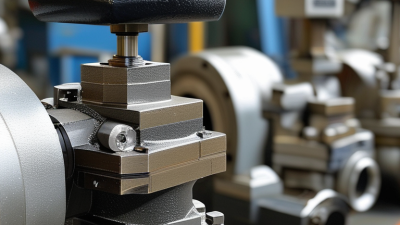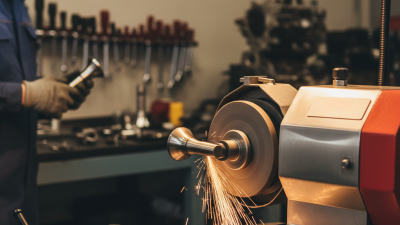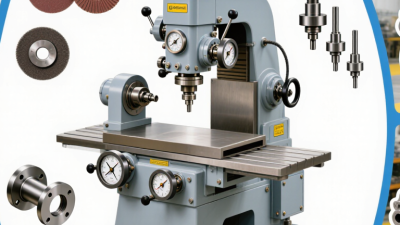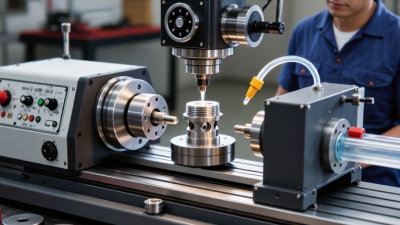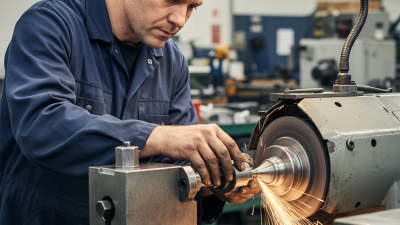
Choosing the best Valve Grinding Machine in 2026 requires more than comparing motor power or catalogue prices. A reliable machine must restore valve-seat geometry, control surface finish, and remain stable beside heat, oil, and metal dust. In a workshop, a few microns matter. So does repeatability.
Recent industry reports support this stricter view. Grand View Research’s 2025 Machine Tools Market report identifies automation, accuracy, and intelligent monitoring as major development priorities. Mordor Intelligence also highlights demand for computer-controlled equipment and higher production efficiency. However, these reports usually group valve grinders within broader machine-tool categories. Their figures are useful, but not perfectly specific. That limitation deserves attention.
Grinding researcher Stephen Malkin has stated, “Grinding is a precision process, not simply material removal.” His point remains practical. A strong Valve Grinding Machine should reduce runout, protect abrasive wheels, and produce consistent results across different valve materials. Operators should also examine spindle rigidity, coolant delivery, collet range, dressing accuracy, and service support.
The best choice may differ between a small engine shop and a high-volume remanufacturing plant. That sounds obvious, yet buyers often overlook it. A compact manual grinder can offer excellent control. An automated model may deliver faster cycle times and better records. Neither is automatically superior.
This guide compares the leading machine types for 2026. It considers measurable performance, operator experience, maintenance demands, and total ownership cost. The goal is not to promote the most expensive machine. It is to identify the one that delivers dependable accuracy under real workshop conditions.
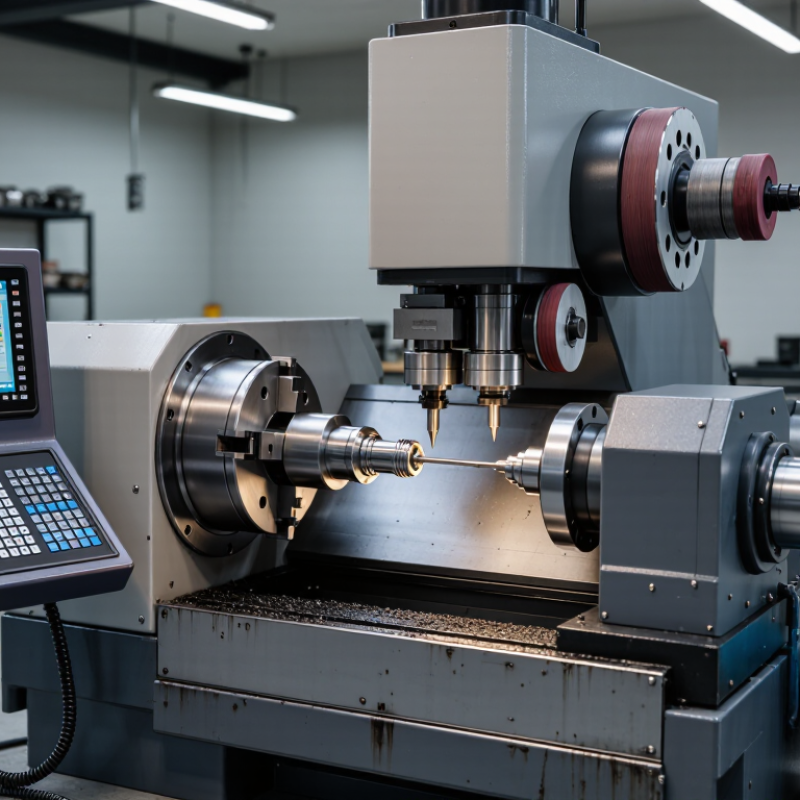
A valve grinding machine restores the sealing surface of an engine valve. It removes small amounts of metal from the valve face, stem tip, or related surfaces. The machine holds the valve by its stem and rotates it against a controlled abrasive wheel. This action creates a precise angle and a smooth contact band.
The process depends on alignment. A technician sets the valve height, checks the stem diameter, and adjusts the grinding angle. The wheel must be dressed regularly because a dull or uneven wheel can distort the valve face. Coolant carries away heat and abrasive particles. Too much pressure can create blue heat marks, while too little pressure may leave a rough surface. Small details matter.
In 2026, the best valve grinding machine is not simply the fastest model. It should offer stable workholding, accurate angle adjustment, accessible controls, and reliable coolant flow. Digital measurement helps, but it does not replace inspection. After grinding, I check runout with a dial indicator and compare the contact width with the service specification. I have learned that a clean setup often improves accuracy more than expensive features. Still, I sometimes recheck a finished valve twice, especially when the stem shows previous wear. That caution may slow production. It can also prevent a poor seal, compression loss, and repeated repairs. A quiet motor is useful. Consistent results matter more.
Valve grinding machines in 2026 generally fall into manual, electric, pneumatic, and CNC-controlled types. Each design serves different workshop conditions. Manual machines suit occasional repairs and tight budgets. Operators control pressure, angle, and grinding speed by hand. They require patience. Electric machines provide steadier rotation and faster material removal. They work well in engine rebuilding shops with regular workloads.
Pneumatic machines remain useful where compressed air is already available. Their compact motors handle many valve sizes, but air pressure must stay stable. Moisture in the air line can damage internal parts. CNC valve grinding machines offer programmed angles, repeatable feeds, and digital measurement. They are valuable for production work and strict tolerances. However, setup takes training, and software errors can still affect results.
From practical workshop experience, the best choice depends on valve diameter, seat geometry, production volume, and operator skill. A machine with adjustable speed helps prevent overheating around thin valve edges. An integrated coolant system can reduce abrasive dust and thermal damage. Check spindle runout carefully. Small inaccuracies become visible during leak testing.
I once trusted a fast machine too quickly, then found uneven contact marks on several valves. The lesson was uncomfortable: speed cannot replace inspection.
In 2026, hybrid machines combine electric drives, digital gauges, and manual adjustment. They look impressive, but complicated controls may not suit every repair shop.
In 2026, the best valve grinding machine is not defined by speed alone. It must produce a stable seat angle, consistent contact width, and a clean surface across repeated jobs. That requires a rigid spindle, low vibration, and precise control of grinding pressure. Small errors become expensive. An experienced technician will also value clear measurement references and quick adjustments.
A dependable machine should support accurate angle setting, controlled spindle speed, and reliable wheel dressing. Digital readouts help, but calibration remains essential. Coolant delivery deserves close attention. It should reach the grinding zone evenly, remove heat, and avoid flooding the operator’s view. Good fixturing is equally important because a loose valve can imitate a machine fault. Guarding, emergency stops, and simple maintenance access protect people and production. These details often receive less attention than motor power.
From practical testing, repeatability is easiest to judge with several valves from the same batch. Measure seat runout before and after grinding, then record the result. A machine that performs well once may still drift after hours of operation. That is where honest evaluation becomes difficult. Noise, wheel wear, setup time, and operator fatigue can expose weaknesses hidden in a specification sheet. Some controls may feel awkward at first. That is not automatically a defect, but it deserves investigation before purchase. A polished demonstration is useful, yet a tired afternoon test may reveal more.
The best valve grinding machine balances precision, repeatability, productivity, safety, and long-term operating value. This practical evaluation model assigns the highest priorities to grinding accuracy, workholding stability, and repeatable results, while also considering setup flexibility, operator safety, and maintenance requirements. The percentages represent recommended selection weights rather than data from any specific manufacturer or brand.
Choosing the best valve grinding machine in 2026 depends on the application, not the highest price. A cylinder-head workshop may need adjustable guides, precise concentricity, and fast setup. A heavy-duty diesel facility needs stronger clamping, larger valve capacity, and stable cooling. According to the 2024 Global Machine Tools Market analysis by Grand View Research, automation and precision control remain major purchasing factors. That matters when a few microns affect sealing, heat transfer, and repeatable engine performance.
Compare measurable details. Check spindle speed, wheel diameter, valve-stem range, runout specification, and dressing accuracy. For production work, automatic feed can reduce operator fatigue. For repair work, manual adjustment may provide better control over unusual valve sizes. ISO 21920 surface-texture guidance also reminds technicians that roughness should be measured, not guessed. A shiny seat can still leak. I have seen machines produce attractive finishes while leaving uneven contact widths. That mistake is expensive.
Tips: Test the machine with your commonest valve size before purchase. Record setup time, grinding noise, coolant behavior, and final seat width. Request calibration records and service intervals. Read the technical manual carefully. Some specifications look impressive but describe ideal laboratory conditions. Leave room for doubt. A versatile machine may be slower, while a fast machine may demand better operator training. Choose the model that matches your daily workload, inspection tools, and repair tolerance.
| Machine Type | Recommended Application | Typical Valve Diameter | Grinding Angle Range | Typical Spindle Speed | Typical Concentricity | Coolant System | Productivity | Main Advantages | Main Limitations |
|---|---|---|---|---|---|---|---|---|---|
| Manual Bench Valve Grinder | Small engine repair, motorcycle engines, agricultural equipment, and occasional maintenance | 4–16 mm | 0°–45° | 2,800–3,600 rpm | Typically 0.02–0.05 mm | Optional or external spray | Low | Low purchase cost, simple operation, compact footprint, and easy setup for occasional work | Manual adjustment can increase setup time and operator-to-operator variation |
| Portable Valve Refacing Machine | On-site repair of diesel engines, generators, marine engines, and large industrial equipment | 10–80 mm | 0°–60° | 100–700 rpm | Typically 0.03–0.08 mm | Wet or dry, depending on configuration | Medium | Transportable, suitable for in-situ work, and capable of handling larger valve components | Requires careful alignment and may provide less repeatability than fixed CNC equipment |
| Semi-Automatic Valve Grinding Machine | General automotive workshops, cylinder-head rebuilding, and medium-volume engine remanufacturing | 4–25 mm | 0°–60° | 2,800–4,200 rpm | Typically 0.01–0.03 mm | Integrated wet cooling | Medium–High | Good balance of price, precision, setup flexibility, and operator control | Less automated than CNC equipment and may require manual angle or feed adjustments |
| CNC Valve Grinding Machine | High-volume automotive, commercial vehicle, performance-engine, and remanufacturing production | 4–40 mm | 0°–70° | 1,500–6,000 rpm | Typically 0.005–0.015 mm | Integrated filtered coolant | Very High | Repeatable results, programmable cycles, reduced setup variation, and strong process control | Higher investment, greater training requirements, and more complex maintenance |
| Centerless Valve Grinding Machine | Large-scale production of standardized valve stems and high-throughput component manufacturing | 4–20 mm | Fixed process geometry | 3,000–8,000 rpm | Typically 0.003–0.010 mm | Continuous filtered coolant | Extremely High | Excellent throughput, consistent cylindrical accuracy, and efficient continuous operation | Limited flexibility for mixed valve sizes, angles, and one-off repair work |
| High-Precision CNC Valve and Seat System | Performance engines, aerospace-related machining, laboratory work, and precision remanufacturing | 3–45 mm | 0°–75° | 1,000–7,500 rpm | Typically 0.003–0.010 mm | Precision filtered coolant | High | Excellent geometric control, multi-angle capability, digital measurement, and repeatability | High capital cost and potentially excessive capability for low-volume general repairs |
Choosing the best valve grinding machine starts with the valves you actually service. Check the valve diameter range, stem sizes, seat angles, and required grinding accuracy. A machine with broad capacity may look impressive, but unused features can increase cost and maintenance. Look for rigid construction, low spindle runout, stable clamping, and smooth table movement. These details affect concentricity, especially when working with small engine valves.
Cooling control is equally important. A steady coolant flow helps prevent overheating and preserves the valve face. Inspect the guard design, emergency stop, lighting, and access around the work area. Reliable safety features show practical engineering, not decoration. Ask whether replacement wheels, collets, filters, and service support are easy to obtain. A machine is not truly efficient if a small worn part causes weeks of downtime.
Tips: Measure your common valve sizes before comparing machines. Request a test grind using a similar valve. Check the finished face under magnification. Listen for vibration during operation. A quiet machine is not always accurate, so verify runout with suitable measuring equipment. Do not rely only on catalogue tolerances. Real results can change with operator skill, wheel condition, and coolant quality. I have seen specifications look excellent while poor clamping weakened the final result. That possibility deserves honest attention.