Best Profile Bending Machine for Efficient Metal Shaping?
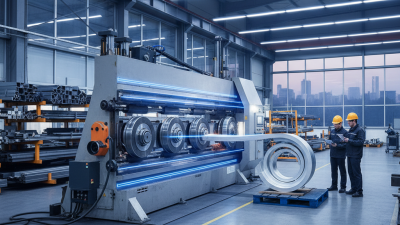
In the world of metal shaping, the Profile Bending Machine plays a vital role. Renowned expert Dr. James Carter emphasizes its importance, stating, "A well-designed Profile Bending Machine can transform metal with precision and efficiency." This statement reflects the growing need for advanced equipment in industries focusing on metal fabrication.
Manufacturers face unique challenges. They often struggle with consistency and quality in metal shaping. The right Profile Bending Machine can overcome these hurdles. Its features, such as adjustable settings and robust construction, enhance productivity and reduce waste. However, not all machines are created equal. Selecting the most efficient one requires careful consideration of specifications and capabilities.
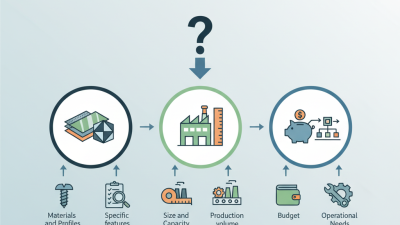
Many companies overlook the value of expert advice. Investing time in researching the best Profile Bending Machine can save costs in the long run. It is essential to weigh different options. Each machine has strengths and weaknesses. A thorough analysis can lead to better decision-making. Your choice can directly impact operational efficiency and product quality. Thus, understanding the intricacies of Profile Bending Machines is crucial for any metal shaping enterprise.
Overview of Profile Bending Machines and Their Applications
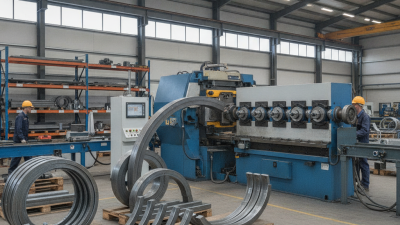
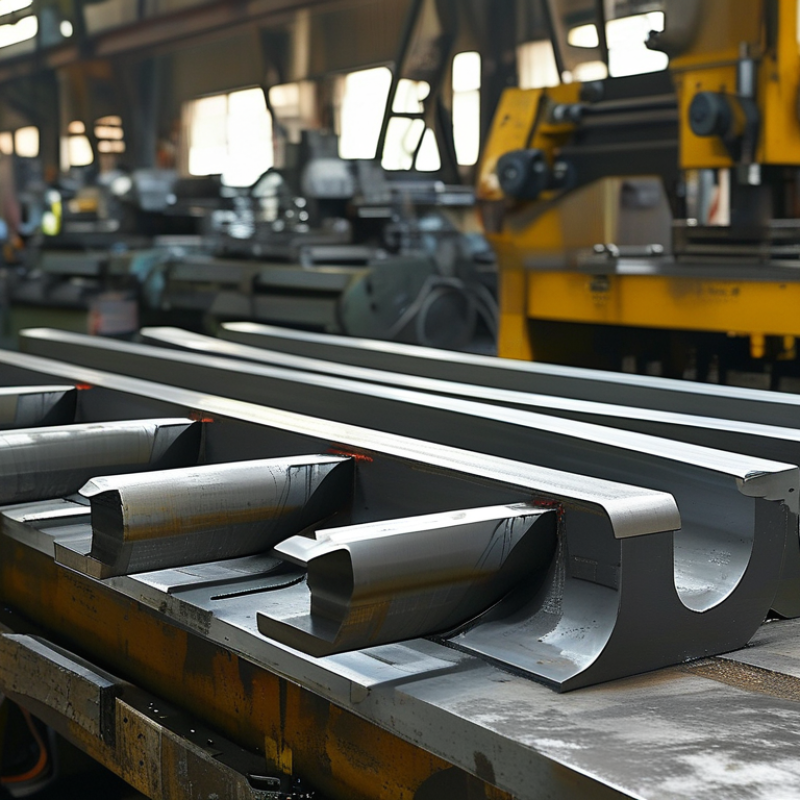
Profile bending machines are essential tools in metalworking, designed to bend profiles into various shapes. Their applications span across industries like construction, automotive, and furniture manufacturing. These machines can create components that require specific curves or angles. The efficiency of these machines greatly enhances production capabilities.
Tips: Always consider the machine's capacity. Doing so ensures it meets your project demands. Additionally, maintain a strict routine for machine upkeep. Regular checks can prevent costly downtime.
The design and technology behind profile bending machines vary. Some machines are equipped with advanced digital controls for precision. Operators must be trained to understand these systems fully. A lack of understanding can lead to errors or wasted material. It is vital to develop a good routine for setting parameters before each task.
Tips: Experiment with different bending techniques. This might reveal more efficient strategies for your projects. Also, document your processes, noting any challenges that arise. This practice can significantly enhance your skills and knowledge over time.
Key Features to Consider When Selecting a Profile Bending Machine
When selecting a profile bending machine, key features should be prioritized. The bending capacity is crucial. It determines the thickness and type of metal that can be processed. A machine with a higher capacity offers versatility. This allows for a wider range of applications.
Accuracy is another vital aspect. Machines should provide consistent results, ensuring that every bend meets the desired specifications. Look for machines with adjustable settings for different angles and radii. This flexibility can enhance the quality of work significantly.
Durability matters too. A well-built machine shows resilience, even under heavy use. It's important to consider the material and craftsmanship of the machine's components. Poor quality can lead to frequent breakdowns and repair costs. Ensure proper maintenance is possible to sustain machine performance over time.
Top Profile Bending Machine Models for Different Metal Materials
When it comes to profile bending machines, selecting the right model can significantly impact your metal shaping projects. Various materials require different bending techniques. Understanding these specifics is crucial for obtaining the best results. For instance, aluminum is lightweight and can be bent at lower temperatures. A machine designed for this type of material should have adjustable speed settings, ensuring precision without compromising quality.
Steel, on the other hand, demands a more robust approach. A profile bending machine suited for steel must exert greater force and provide consistent pressure throughout the bending process. Some models come equipped with advanced features like digital readouts for accuracy. However, these machines can be costly and may require frequent adjustments for optimal performance.
A machine dedicated to
stainless steel must have a different setup, focusing on minimizing surface damage. Some bending machines struggle with this, leading to issues like discoloration or warping. Operators need to be aware of these challenges and should have enough experience to choose the right setup for each task. Ultimately, the proper profile bending machine can
enhance productivity but may not eliminate all potential complications.
Efficiency and Performance Metrics in Profile Bending Machines
When selecting a profile bending machine, efficiency is crucial. Efficient machines reduce production time. They also lower operational costs. Recognizing performance metrics helps in making informed choices. Look for machines with high throughput and low downtime. These factors increase overall productivity significantly.
Tips: Regular maintenance extends machine life. Keep a checklist for daily inspections. Lubrication and calibration ensure optimal performance.
Consider the bending radius and thickness capacity. These specifications greatly affect the machine's versatility. A balance between strength and flexibility is essential. Poorly chosen specs can limit your projects. Evaluate your needs continuously for better results.
Tips: Always analyze past projects. Learn from any inefficiencies. This reflection helps refine future machine selections. Use performance data to guide your investments wisely.
Best Profile Bending Machine for Efficient Metal Shaping? - Efficiency and Performance Metrics in Profile Bending Machines
| Machine Model |
Bending Capacity (mm) |
Cycle Time (seconds) |
Power Consumption (kW) |
Weight (kg) |
Price (USD) |
| Model A |
100 |
15 |
4.5 |
500 |
20,000 |
| Model B |
150 |
12 |
5.0 |
700 |
25,000 |
| Model C |
200 |
10 |
6.5 |
800 |
30,000 |
| Model D |
250 |
8 |
7.0 |
900 |
35,000 |
Maintenance Tips for Prolonging the Lifespan of Bending Machines
Maintenance is crucial for prolonging the lifespan of bending machines. Regular checks can reveal issues before they escalate. A simple visual inspection should include the machine’s frame, hydraulic components, and bending dies. Look for wear and tear signs. Detecting minor problems early can prevent costly repairs.
Lubrication is another key factor. Ensure all moving parts are well-lubricated. Dry, squeaky components may lead to increased friction. This friction causes premature wear. Use the manufacturer’s recommended lubricants for optimal performance. Don’t neglect the hydraulic fluid. Regularly check and replace it to maintain efficiency.
Proper operation also matters significantly. Train operators to use the machine correctly. Improper handling can lead to damage and unsafe conditions. Encourage operators to keep the workspace tidy. A clean area reduces accidents. Reflect on your team’s proficiency. Continuous education and training can improve skill and safety.