2026 Top Surface Grinding Machine Trends and Innovations?
The surface grinding machine industry is evolving rapidly. According to a recent market report, the global surface grinding machine market is expected to reach USD 3.1 billion by 2026, driven by innovations in technology and increasing demand for precision manufacturing. Industries like automotive and aerospace heavily rely on these machines for component finishing.
Technological advancements are shaping the future of surface grinding machines. Automation and artificial intelligence are becoming integral parts of these systems. Many manufacturers are focusing on enhancing efficiency and reducing operational costs. However, the challenge lies in adapting these innovations to existing production lines without disrupting workflow.
The need for skilled operators remains critical, despite increased automation. Many companies face a skills gap in this area, which can slow down adoption rates. Addressing this gap is essential for fully realizing the potential of advanced surface grinding machines. As we look toward 2026, continuous innovation and reflection on these challenges will dictate the industry's growth trajectory.
Emerging Technologies in Surface Grinding Machines for 2026
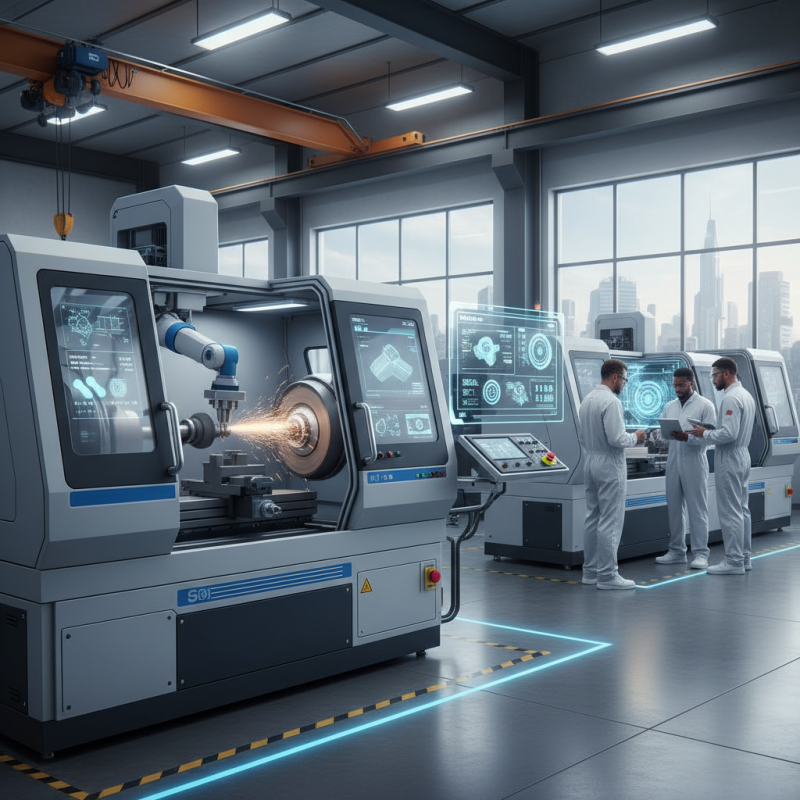
As we approach 2026, the surface grinding machine industry is set to experience significant transformations. Emerging technologies are redefining efficiency and precision in this sector. Reports indicate that automation in surface grinding will grow by 30% over the next three years. This increase promises greater productivity but raises questions about worker displacement.
Another notable trend involves the integration of AI. Artificial intelligence can enhance machine learning capabilities. It allows machines to adapt in real-time to different grinding conditions. Data from industry studies suggests that AI-driven operations can reduce cycle time by up to 25%. However, the implementation of AI also requires a skilled workforce, which may present challenges for some manufacturers.
Sustainability is another critical focus for the future. Newer machines are designed to minimize energy consumption and waste. Reports indicate that green technologies could lead to a 15% reduction in carbon emissions by 2026. Yet, adopting these technologies can be costly. Smaller companies may struggle to invest in necessary upgrades. The path forward is exciting but demands a careful balance between innovation and practical implementation.
Advancements in Automation and AI for Enhanced Grinding Precision
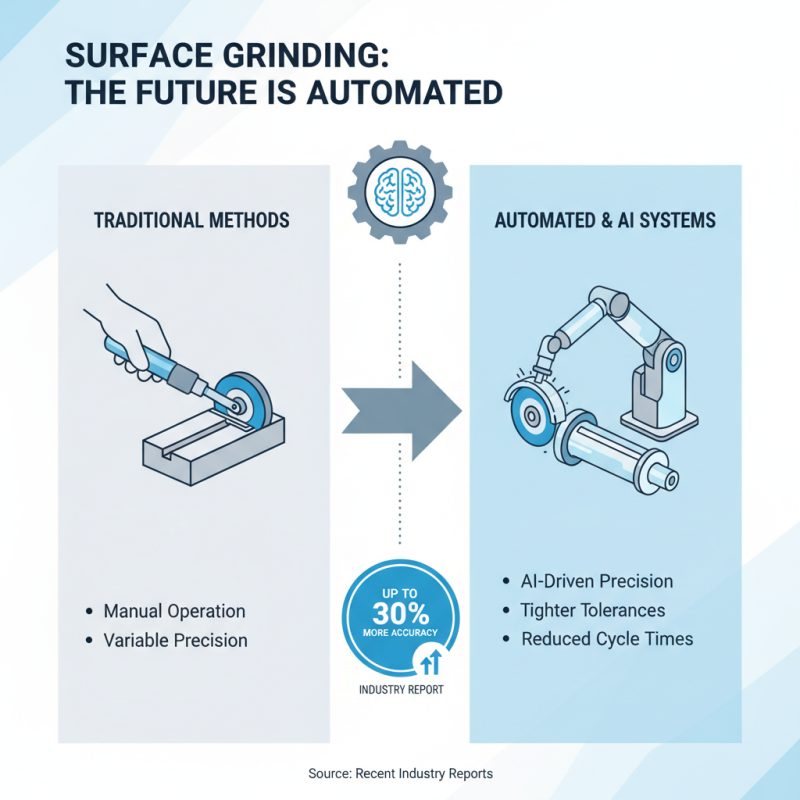
The landscape of surface grinding machines is evolving rapidly. Automation and artificial intelligence play crucial roles in this transformation. According to recent industry reports, automated systems can enhance precision by up to 30%. This improvement allows for tighter tolerances and reduced cycle times.
AI applications in grinding are also on the rise. Machine learning algorithms analyze data from grinding processes. They identify patterns and suggest optimizations. As a result, operators can make informed adjustments. However, not all implementations are perfect. Some machines struggle with inconsistent data. This inconsistency can lead to unexpected outcomes and quality issues.
Sustainability is another important factor impacting innovations. Many companies seek eco-friendly materials and processes. Reports indicate that automation can reduce waste by 25%. Yet, achieving this goal often requires significant upfront investment. For many businesses, finding that balance is a complex challenge. The journey towards advanced grinding machines is ongoing and full of learning opportunities.
Sustainable Practices in Surface Grinding: A 2026 Perspective
In 2026, sustainable practices are reshaping the landscape of surface grinding. The global market for surface grinding machines is expected to reach
$2.5 billion by 2026. This growth is fueled by the increasing demand for eco-friendly manufacturing processes. Companies are prioritizing
waste reduction and energy efficiency.
Innovations in machine design are pivotal. Modern machines consume
30% less energy than their predecessors. However, not all manufacturers have made these changes. Some still rely on outdated practices. The
gap between leaders and laggards in sustainability is widening.
Water usage is also a pressing issue. A report indicates that up to
80% of water used in grinding is wasted. Recycling systems can cut this figure significantly, yet many facilities overlook this solution.
Embracing these sustainable technologies can reduce operational costs and environmental impact. The time for reflection is now. Implementing such practices is
no longer optional; it is essential for future competitiveness.
The Role of IoT in Monitoring and Optimizing Grinding Processes
In the evolving landscape of surface grinding, the Internet of Things (IoT) is transforming processes. Machines equipped with IoT sensors collect real-time data on performance metrics. This data helps in identifying inefficiencies and enhances productivity. For instance, tracking temperature and vibration can lead to better maintenance schedules.
Tips: Regularly check sensor placements to ensure accurate readings. Misaligned sensors can produce misleading data.
IoT also plays a key role in predictive maintenance. By analyzing trends, potential failures can be addressed before they disrupt production. This proactive approach saves both time and resources. However, integrating IoT can sometimes be complex. Lack of skilled personnel can hinder effective implementation.
Tips: Invest in training for your team. A knowledgeable workforce can better utilize IoT systems for optimal results.
The future of grinding machines looks promising, but challenges remain. Embracing innovation requires thoughtful integration and ongoing evaluation. Maintain flexibility in your strategy to adapt to technological advances.
2026 Top Surface Grinding Machine Trends and Innovations
| Trend/Innovation |
Description |
Impact on Grinding Processes |
IoT Contribution |
| Automation |
Integration of automated systems for enhanced precision and efficiency. |
Reduces human error and increases throughput. |
IoT allows for real-time monitoring and adjustments to maintain optimal performance. |
| Adaptive Grinding |
Machines that adjust parameters dynamically based on conditions. |
Enhances surface finish quality and extends tool life. |
IoT sensors collect data that informs real-time adjustments. |
| Predictive Maintenance |
Using data analytics to predict equipment failures before they occur. |
Minimizes downtime and maintenance costs. |
IoT devices monitor wear and tear, alerting operators about necessary maintenance. |
| Energy Efficiency |
Focus on reducing energy consumption in grinding processes. |
Leads to lower operational costs and reduced environmental impact. |
IoT helps monitor energy usage patterns and optimize machine settings. |
| Smart Material Selection |
Utilizing advanced materials for grinding wheels and components. |
Improves durability and performance of grinding operations. |
IoT informs material performance and suggests the best choices based on past data. |
Design Innovations in Surface Grinding Machinery for Increased Efficiency
In 2026, surface grinding machines are set to see remarkable design innovations. These advancements focus on enhancing efficiency. New materials and lightweight designs are emerging. This shift could improve speed and reduce energy consumption significantly.
Enhanced coolant systems are also being integrated. These systems aim to keep operations cool, preventing overheating during grinding.
Manufacturers are exploring automation as well. Smart machines will monitor performance in real-time. Sensors can detect anomalies early, reducing downtime. However, some machines may require frequent updates to maximize their potential. While advancements are impressive, there’s a learning curve involved. Skilled operators may need training to adapt to new technologies.
Ergonomics play a vital role too. Better user interfaces and adjustable setups improve operator comfort. Yet, not all designs may cater to every user’s needs. Some adjustments could feel cumbersome or unintuitive.
Balancing innovation with usability remains a challenge. Exploring these trends will be essential for manufacturers aiming for future competitiveness.